
July is Juvenile Arthritis (JA) Awareness Month and a time to elevate awareness about juvenile arthritis (JA) and other childhood rheumatic diseases.
Juvenile arthritis is an umbrella term that refers to pediatric rheumatic diseases — including juvenile idiopathic arthritis and other musculoskeletal conditions — that can develop in children ages 16 and younger. These conditions affect hundreds of thousands of kids and teens in the United States.
Juvenile idiopathic arthritis (JIA) is the most common type of arthritis in children JA and related conditions are often compounded by other illnesses, such as uveitis (inflammation of the eye), skin ailments and other comorbidities that affect the heart, lungs and other vital organs.
Juvenile arthritis can also have a profound effect on a child’s mental and emotional well-being. 65% of kids with arthritis have moderate to severe depressive symptoms. Worries about fitting in, getting sidelined from activities, having to take medication, living with unpredictable pain and feeling a loss of control over their bodies – these are some common reasons why kids and teens with juvenile arthritis (JA) may experience depression. There is a big correlation between chronic pain syndrome and depression in adults that’s also likely to exist in children. It’s a constant cycle – pain causes stress, which causes depression, which can worsen pain.
The exact causes of JA are unknown, but researchers believe that certain genes may cause JA when activated by a virus, bacteria or other external factors.
Most kinds of JA are autoimmune or autoinflammatory diseases. That means the immune system, which is supposed to fight against foreign invaders like viruses and germs, instead releases inflammatory chemicals that attack healthy cells and tissue. In most JA cases this causes joint inflammation, swelling, pain and tenderness, but some types of JA have few or no joint symptoms or only affect the skin and internal organs.
The exact causes of JA are unknown, but researchers believe that certain genes may cause JA when activated by a virus, bacteria or other external factors.
Most kinds of JA are autoimmune or autoinflammatory diseases. That means the immune system, which is supposed to fight against foreign invaders like viruses and germs, instead releases inflammatory chemicals that attack healthy cells and tissue. In most JA cases this causes joint inflammation, swelling, pain and tenderness, but some types of JA have few or no joint symptoms or only affect the skin and internal organs.
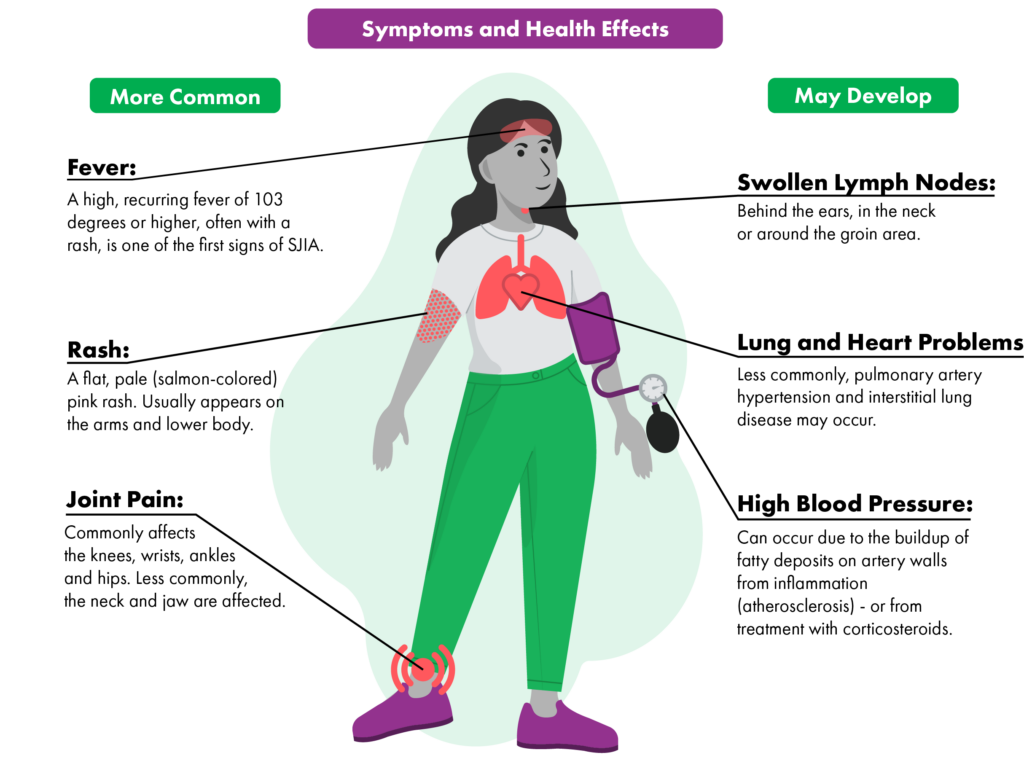
Download the full infographic at the Arthritis Foundation.
Health Effects
Here are some of the symptoms and health effects of JA:
- Joints: May cause joints to look red or swollen and feel stiff, painful, tender and warm. This can cause difficultly moving or completing everyday tasks. Joint symptoms may worsen after waking up or staying in one position too long.
- Eyes: Dryness, pain, redness, sensitivity to light and trouble seeing properly caused by uveitis (chronic eye inflammation).
- Internal organs: Can affect internal organs such as the digestive tract (diarrhea and bloating), lungs (shortness of breath) and heart.
- Other symptoms: Include fatigue (feeling extremely tired or rundown), appetite loss and high spiking fever.
Diagnosis
A pediatrician may start to determine what’s causing symptoms, but parents may be referred to a rheumatologist, a doctor with specialized training in treating arthritis. The doctor will perform a physical exam to look for signs of JA, like limited range of motion, rash, eye symptoms and joint swelling, tenderness and pain. Diagnostic tests include laboratory tests that look for inflammatory markers and imaging to look for signs of joint damage and help rule out other causes, like trauma or infection. There is no cure for JA, but with early diagnosis and aggressive treatment, remission is possible.
Physical therapy and occupational therapy can improve a child’s quality of life by teaching them ways to stay active and how to perform daily tasks with ease.
Physical and occupational therapists help children with JA by:
- Teaching and guiding them through strengthening and flexibility exercises.
- Helping improve balance and coordination.
- Performing body manipulation.
- Prescribing and showing kids how to use assistive devices (e.g. braces, splints, hand grips)
The goals of JA treatment are to:
- Slow down or stop inflammation and prevent disease progression.
- Relieve symptoms, control pain and improve quality of life.
- Prevent or avoid joint and organ damage.
- Preserve joint function and mobility for adulthood.
- Reduce long-term health effects.
Restore Outpatient Therapy Services provides Physical Therapy treatments in our Moundville and Clanton clinics for children and teenagers with Juvenile Arthritis (JA).
Visit http://restoreoutpatienttherapy.com or call (205) 301-5850 to speak to an Outpatient Manager who will schedule treatment.
For more information about Juvenile Arthritis, visit the Arthritis Foundation.
#restorethegood