

In 2023, Restore partnered with the University of Alabama at Birmingham’s Occupational Therapy Department. OT students completing their doctoral capstone program design individualized projects and implement them in the last 14 weeks of their capstone fieldwork rotations.
Restore provides OT students with assisted living and skilled nursing facility sites to implement their projects. The projects and site requests are submitted a year in advance. Each project is research-based and goes through a rigorous Institutional Review Board and ethical standards process at UAB.
Restore provides all of our employees Pathways to Success. Doctoral students are connected with our recruiters and our Talent Network to provide them with opportunities within our company. Restore also provides our employees with Tuition Reimbursement and Continued Education.
Meet the 2024 Doctoral Capstone Occupational Therapy Students
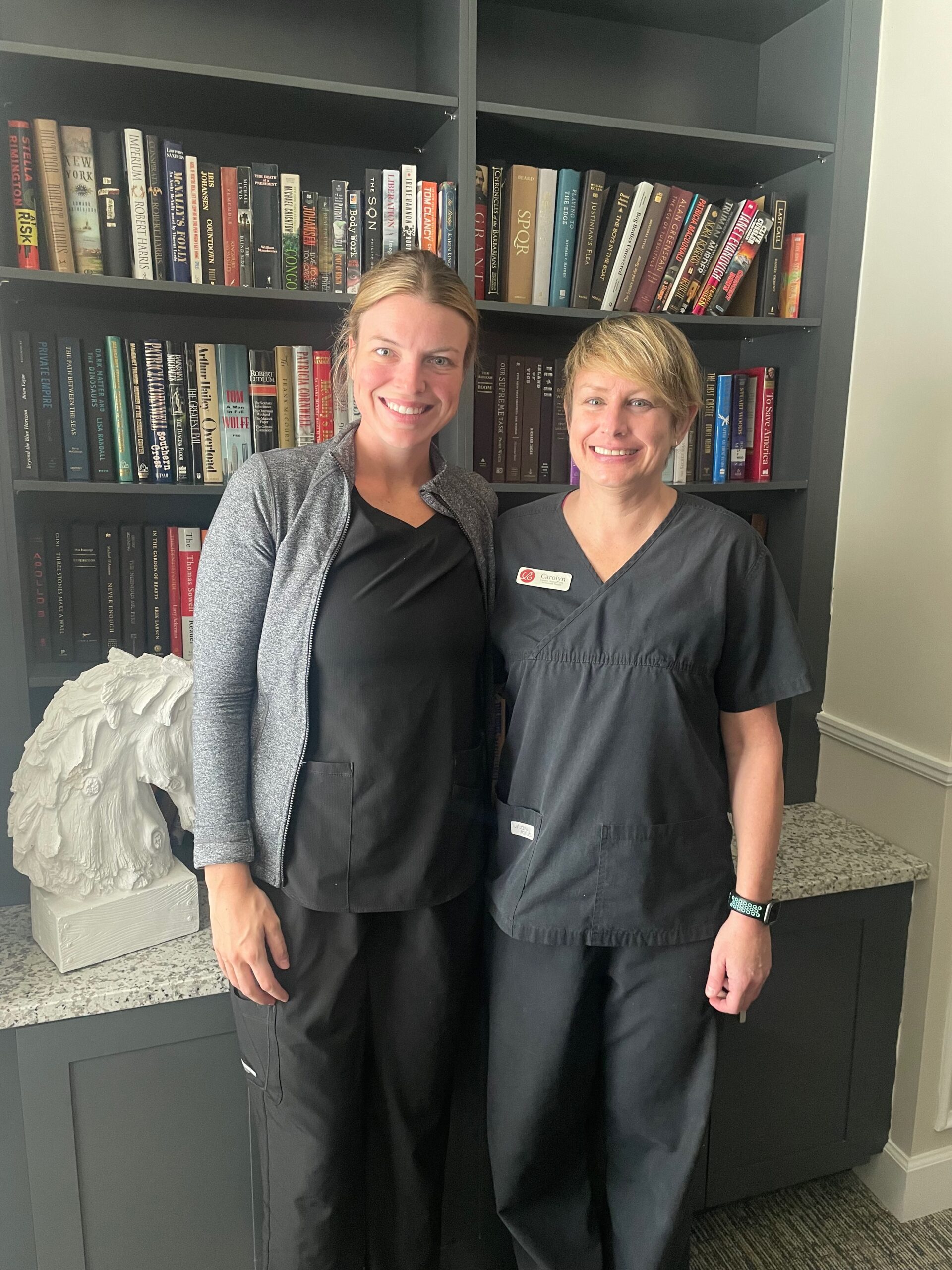
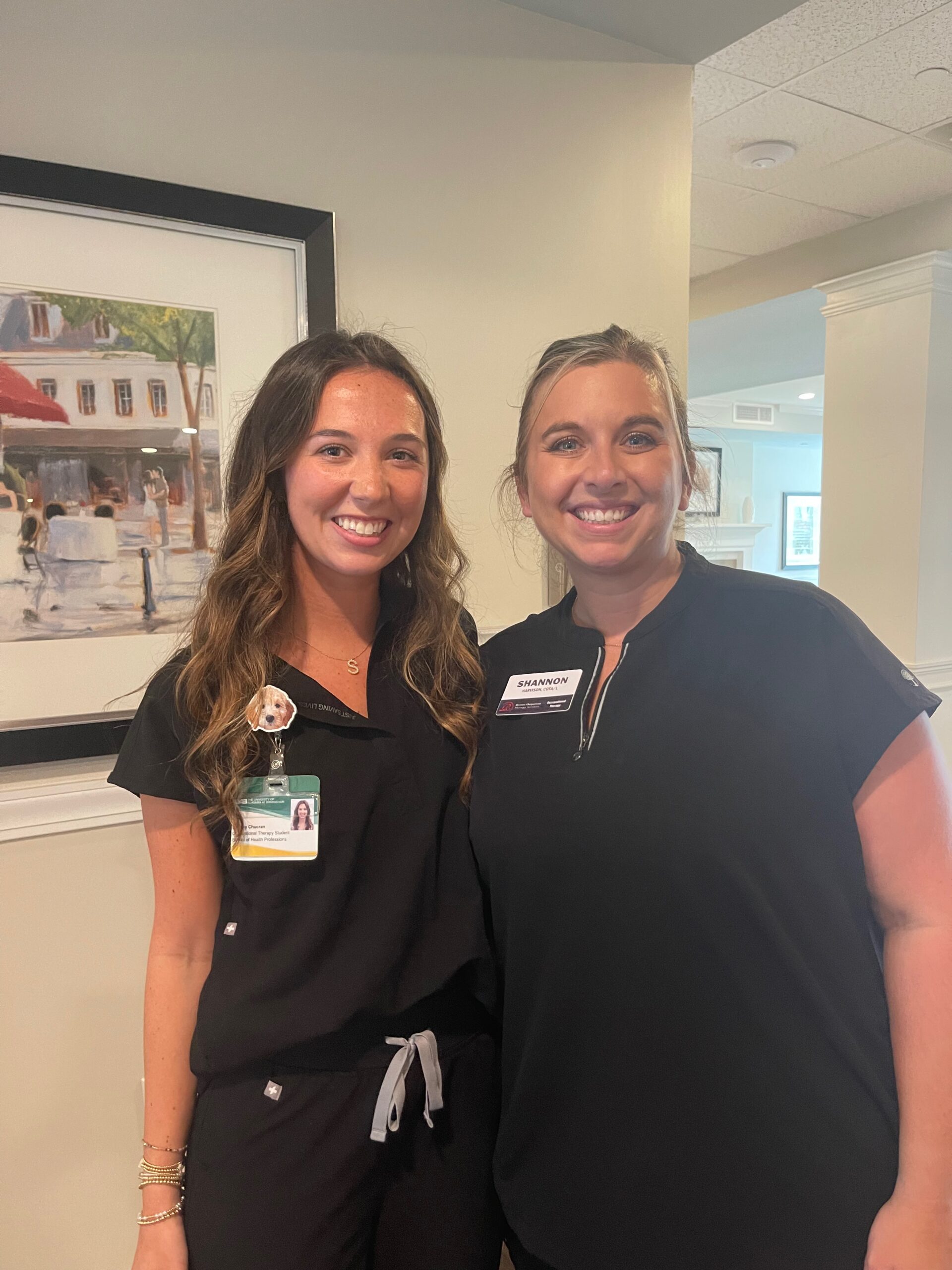
Hanna Sartain, OTS with Restore mentor Carolyn Chapura, OTR; Sydney Chucran, OTS with Restore mentor Shannon Harvison, COTA/L
Hanna Sartain, OTS and Sydney Chucran, OTS are hosting a fall prevention class called Stay Independent and Active for Life (SAIL) for older adults at Regency Retirement Village and The Crossings at Riverchase. The SAIL program curriculum combines both physical activity and education that aims to improve activity levels and reduce resident’s fear of falling.
Classes will run 2-3 times a week for about an hour and will include: warm-up, aerobics, balance/cool-down, strength training, stretching, and education. Sydney and Hanna will be conducting research regarding how participation in the fall prevention class impacts fear of falling and quality of life.
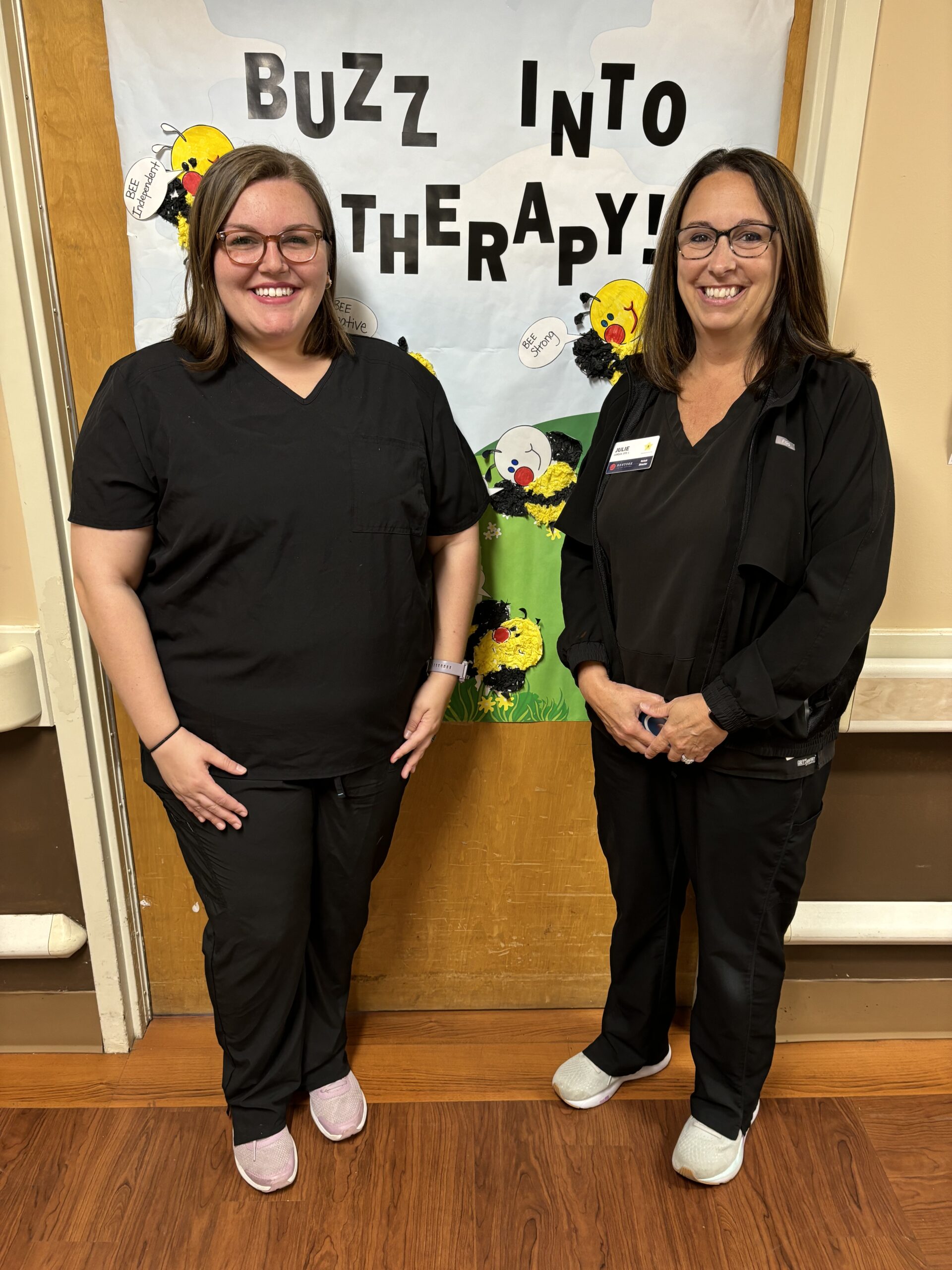
Taylor Horton Abbott, OTS with Restore mentor Julie Langan RD-OTR/L
Taylor Horton Abbott, OTS is developing and implementing a community choir music program at Cordova Health and Rehab.
The project aims to measure if participation in a community choir will decrease participants’ symptoms of social isolation, anxiety, and depression. The participants will be polled at the beginning of the program to decide what genre and style of music most represents the participant population’s interest. The group will work toward a choral performance held at the nursing facility at the end of the capstone experience.
In addition to the choir singing, the participants will be exposed to various formats and genres of music at weekly sessions. The primary investigator will use anxiety, depression, and social isolation scales to measure the effects of the music program on these factors.